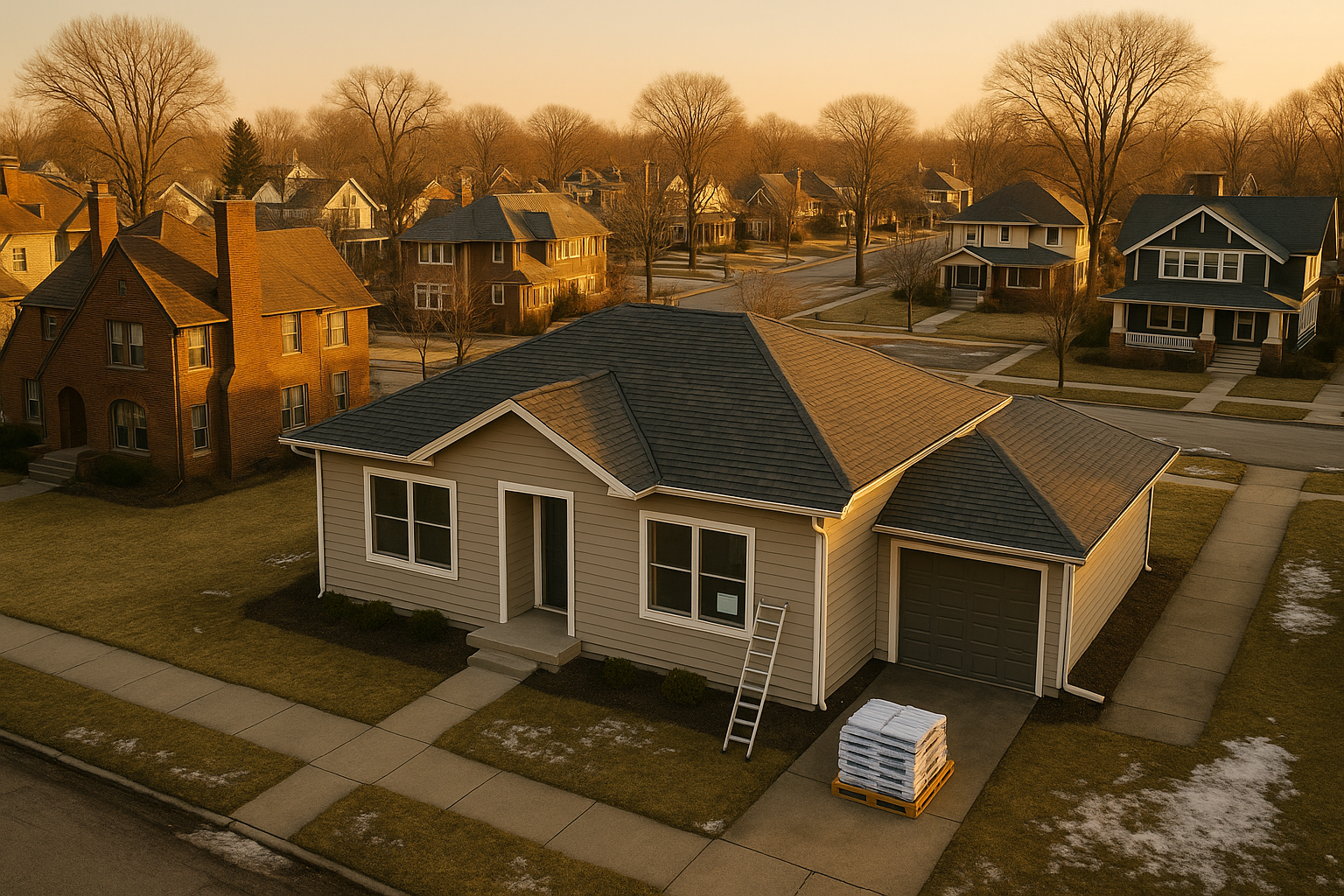
Last spring, my neighbor Dave stood in his driveway, coffee in hand, staring at a new water stain on his ceiling. He’d just finished repainting the living room. A week earlier, a hailstorm rolled through Westfield—nothing crazy, just a quick spring burst that left dents on his car. But the roof? It looked fine from the ground. Turned out, the old three-tab shingles had lost granules, and a few cracked under the hail. Water snuck in. Dave’s not alone. Lots of us in Hamilton County deal with roofs that can’t handle the chaos of Indiana weather. So if you’re wondering about the best roofing material for Indiana weather, you’re probably trying to avoid Dave’s coffee-on-the-driveway moment. Let’s talk about what works around here.
Why Indiana Roofs Need to Be Tough
Indiana doesn’t do anything halfway. Summers bake your attic, winters freeze your gutters, and spring likes to throw hail and sudden wind bursts at you. In Westfield, we’ve got neighborhoods like Harmony and Chatham Hills where mature trees shade the roof—good for cooling, but they also invite algae streaks. Then there’s ice dams: when heat leaks into the attic, snow melts at the ridge, trickles down, and refreezes at the cold eaves. That backs up water under the shingles. Heavy rains? Our roofs need to shed water fast. And don’t forget the occasional derecho or tornado warning—wind uplift can rip shingles right off if they’re not fastened properly. The point is, a roof here isn’t just a hat for your house; it’s a shield that has to flex with the seasons.
The Best Roofing Material for Indiana? (Here’s the Real Answer)
If you want a quick answer: for most homes in Westfield and the Indy metro, a premium laminated (architectural) asphalt shingle with impact resistance, algae protection, and a system install that includes ice-and-water shield, balanced ventilation, and new flashings is your best bet. It balances durability, cost, and looks—exactly what HOAs in places like Viking Meadows or Centennial want. But let’s break that down, because “best” depends on what you’re actually worried about.
Asphalt vs. Metal
Metal roofs are great for longevity (some can hit 50 years), but in Westfield subdivisions, architectural asphalt usually wins on curb appeal, price, and HOA acceptance. Many neighborhoods prefer the traditional shingle profile, and metal can look too commercial. If you’re on the fence, we’ve got a whole comparison over at our metal roof vs. asphalt guide. For most families, architectural shingles are the sweet spot.
Architectural Shingles: Good, Better, Best
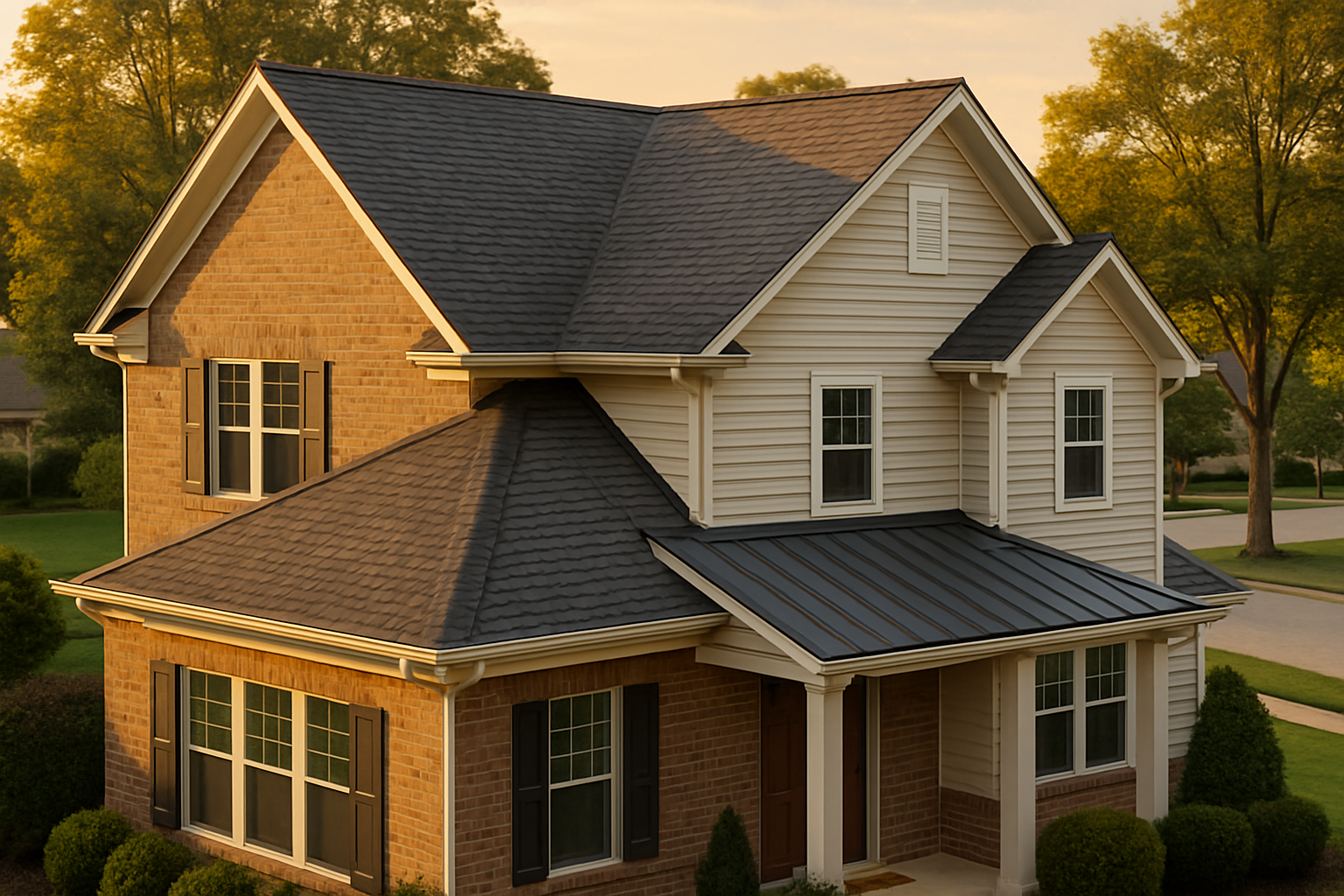
The basic “good” is a quality architectural shingle like CertainTeed Landmark or Owens Corning Duration—they have algae-resistant granules and a decent wind warranty. Step up to “better” and you get impact-rated (Class 3 or 4) shingles that can shrug off hail. The “best” tier adds enhanced ridge caps, a certified installation that locks in the manufacturer’s extended warranty, and maybe some insurance perks. In a freeze-thaw climate like ours, laminated shingles outperform old three-tabs because they’re heavier, seal better, and resist cracking. Check out our asphalt shingle type breakdown for more on that.
The Hidden System Your Roof Actually Needs
A roof isn’t just shingles. It’s a system. And in Indiana, the details make all the difference.
Ventilation: More Important Than You Think
I can’t count how many Westfield attics I’ve seen that are way too hot in summer and damp in winter. That cooks your shingles from below and leads to ice dams. You need balanced airflow: intake at the soffits and exhaust at the ridge. Ridge vent with proper soffit intake keeps your attic close to outside temperature, which extends shingle life and cuts energy bills. Many older homes in the Northside have undersized vents—upgrading that is a must during a reroof.
Ice & Water Shield: Your Leak-Stopping Secret Weapon
In our climate, ice-and-water membrane is a life-saver. At the eaves, in valleys, and around chimneys or skylights, this peel-and-stick barrier sticks to the decking and seals around nails. If an ice dam forms, water hits the membrane instead of sneaking into your house. Code sometimes only requires a few feet, but good practice says run it past the interior wall line. That extra cost is small compared to replacing a ruined ceiling.
Flashings: Never Reuse Old Ones
Reusing old step flashing or counterflashing is a recipe for leaks. At chimneys, sidewalls, and roof-wall intersections, you need new metal that’s properly integrated. In Westfield homes with brick chimneys (I’m looking at you, Centennial and Countryside), the counterflashing should be cut into the mortar joints—no surface caulk that fails in two years. If you’re interested in chimney specifics, we wrote a chimney flashing guide that dives deeper.
Underlayment, Drip Edge, and Valley Details
Synthetic underlayment beats felt—it’s lighter, tougher, and doesn’t wrinkle when wet. Drip edge at the eaves and rakes guides water into the gutters, not behind them. Starter strips along the perimeter give the first course of shingles proper adhesion and wind resistance. For valleys, a closed-cut or metal W-valley is cleaner and more durable than an open weave. These are the kinds of things that keep water out during a sideways spring rain.
“But What About…?” — Common Worries, No Stress
“I’ll just wait until spring; winter roof installs are a bad idea.” Honestly, if you’ve got bare wood or active leaks, waiting is riskier. With the right adhesives and temperature windows, winter installs go fine. Good roofers like us schedule around cold snaps and know how to adjust fastening. We’ve done plenty of January jobs without issues.
“Can’t you just shingle over the old layer to save money?” We get it—budgets are tight. But overlays hide deck rot, trap heat, and can void warranties. A full tear-off lets you inspect the decking and re-fasten it, which actually saves you from bigger headaches later. Plus, ventilation works way better with a clean deck.
“Class 4 shingles? Isn’t that for Texas or Colorado?” Nah, we get hail here in Hamilton County too. Impact-rated shingles can mean the difference between a ding and a cracked shingle. Some insurers offer premium discounts, so they can pay for themselves over time. Worth checking with your agent.
“Black shingles will turn my house into an oven.” Color matters less than you’d think if your attic ventilation is dialed in. Modern granules reflect heat better than older ones. We’ve helped folks in Brownsburg and Avon pick lighter tones that still match their brick—like weathered wood or pale gray—but a dark charcoal roof with proper venting won’t cook your house. Want to nerd out on roof ventilation? We’ve got a guide on roof inspections that covers it.
“Architectural shingles are too heavy for my older home.” Most Westfield homes built in the last 50 years can handle them easily. We always check the decking and framing during inspection. If there’s an issue, we’ll let you know before anything gets ordered.
“Metal always beats asphalt, right?” Not always. In a neighborhood like Maple Knoll, the HOA may not allow standing seam metal, and the upfront cost is steep. Asphalt gives you a fresh look every 20–30 years with lower initial cost, and you can change colors later. Both have their place, but for the average 2,500 sq ft colonial, architectural asphalt makes more sense.
Looking Good While Playing by HOA Rules
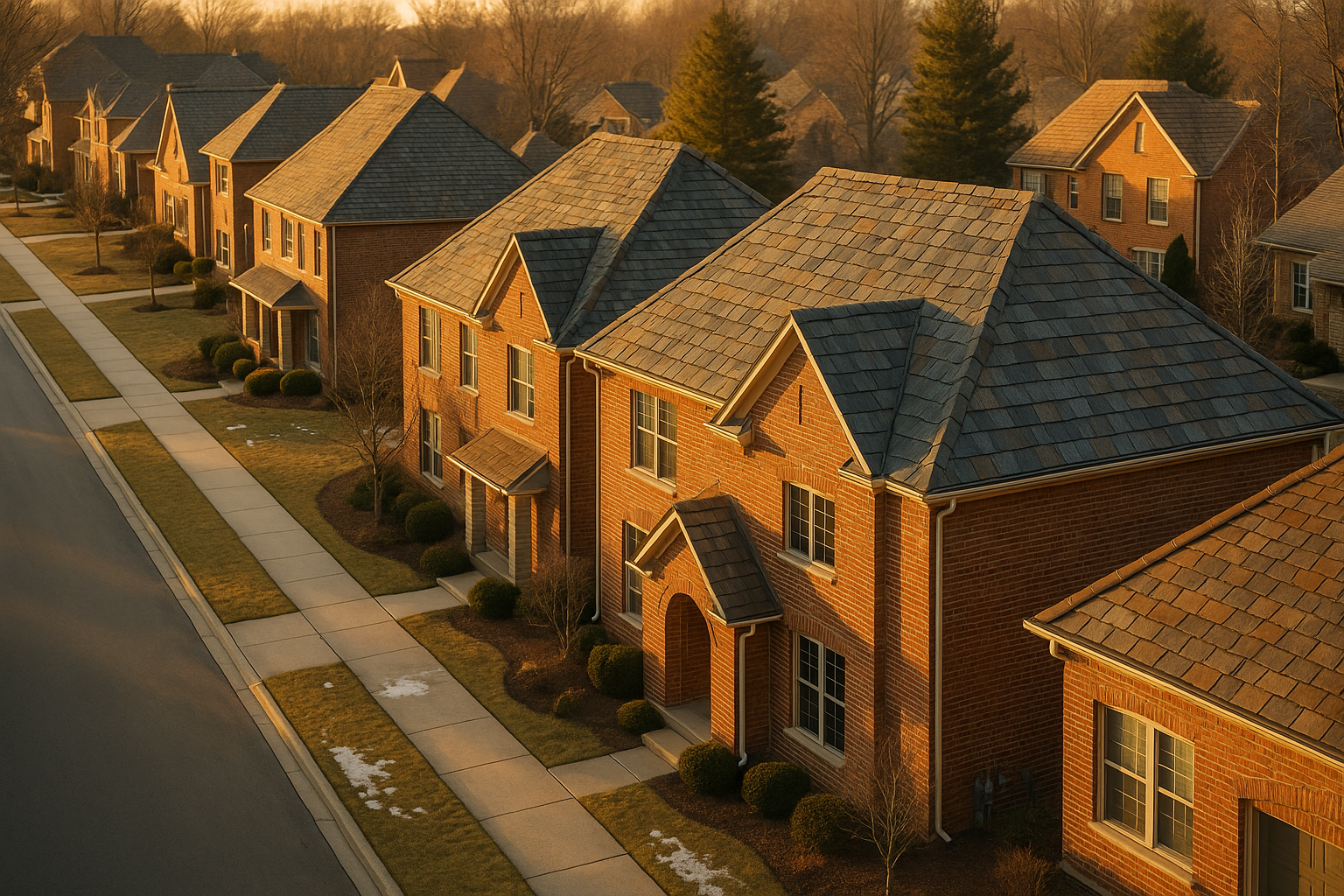
Westfield HOAs are specific about appearance. You’ll often need to submit a material sample and color selection before work starts. We help with that. Charcoal blends, weathered wood, and driftwood greys are safe bets that complement brick or siding. If your lot is under trees, pick a shingle with algae-resistant granules to avoid black streaks. In places like Chatham Hills with golf course views, curb appeal matters—the right roof can actually boost resale value.
How a Roof Replacement Actually Goes (Spoiler: It’s Not Scary)
We don’t do surprises. When you reach out, we come out, take photos, and explain what’s going on with your roof. You get a written scope with options—no pressure. If you’re in Westfield, we handle the city permit and HOA submittals. On install day, we protect your driveway, landscaping, and clean up with a magnet sweep so no nails end up in your tires. Afterward, we walk through the finished job and give you a clear warranty packet.
A Little Maintenance Goes a Long Way
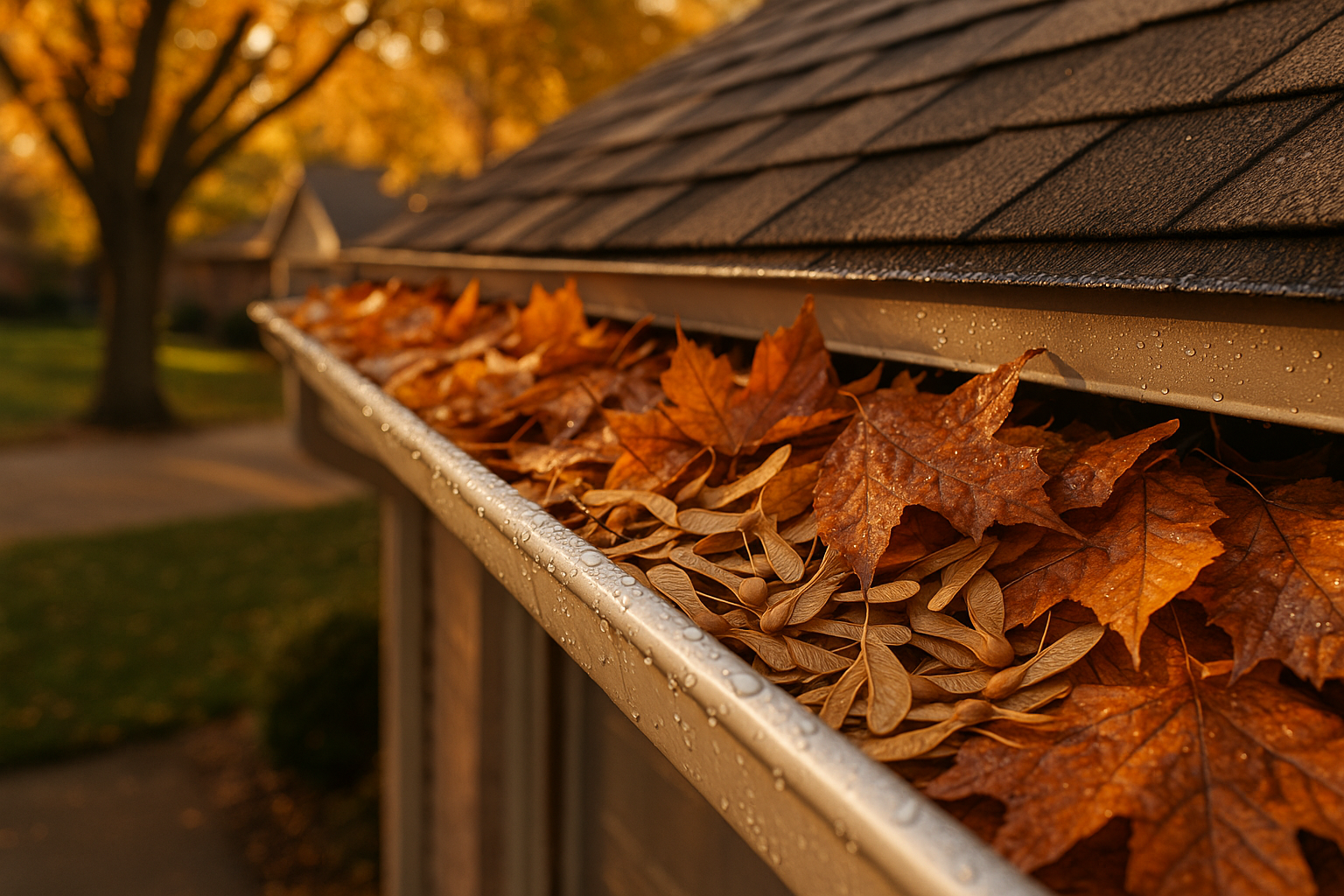
If your roof gets hit by hail or wind, document it. We can coordinate with your insurance adjuster to make sure nothing is missed. Some impact-rated shingles might lower your premium. After the new roof is on, a little maintenance goes a long way: clean gutters every fall, check your attic for leaks or ice dam signs in winter, and clear off heavy snow if it piles up. For a full list, peek at our roof maintenance checklist.
Let’s Check Out Your Roof
The best roofing material for Indiana weather isn’t just a shingle—it’s a system designed for our hot summers, icy winters, and everything in between. If you’re in Westfield or nearby (Indianapolis, Carmel, Noblesville, you name it), we’d love to come out and chat about your roof. No pushy sales—just real talk and a plan that makes sense for your house. Grab a time for a free assessment and we’ll get you sorted.
Ready for a free roof assessment?
We climb the roof, photograph the damage, and give you an honest read — no pressure, no upsell.