Last March, my neighbor Dan noticed a water spot on his bedroom ceiling. He figured it was just a leftover ice dam from that weird freeze-thaw week we had. But when we climbed into his attic, the insulation was soaked and a whole section of sheathing felt soft. Turned out, the flashing around his chimney had quietly pulled loose over the winter. No big dramatic storm—just months of sneaky damage. That's the thing about Indiana winters. The real roof trouble often shows up on a sunny spring day when you think you're in the clear.
A spring roof inspection Indiana–style isn't about being paranoid. It's about catching little problems before they turn into a midnight scramble during a thunderstorm. And around here, between the late freezes, the hail, and those mature oaks dropping debris, roofs take a beating. Whether you're in Zionsville, Carmel, Fishers, Westfield, Noblesville, Greenwood, Brownsburg, Avon, or Plainfield, a post-winter check can save you thousands and a lot of stress.
Why Now? How Winter Beats Up an Indiana Roof
Freeze-thaw cycles are the big one. When snow melts during the day and then refreezes at night, water creeps into tiny gaps around shingles and nails. Then it freezes, expands, and pops things loose. Drive through any Zionsville neighborhood in early spring and you’ll see what I mean—cupped shingles, lifted edges, or a fresh scatter of granules in the gutter. Ice dams are especially common on north-facing slopes where the sun can’t melt ice evenly, forcing water under the shingles. And we haven’t even talked about wind yet. A couple of spring gusts over 40 mph can rip off shingles that were already loosened.
A lot of homeowners wait until they see an active leak. But by then, the damage has been happening for a while. The whole point of a spring roof inspection is to catch things like creased flashing, nail pops, and small shingle cracks before water finds its way in.
If you’re looking for a roof inspection in Zionsville, the best time is now—before the heavy storm season kicks in and roofing crews’ schedules fill up.
Your Ground-Level Checklist: What You Can Spot Without a Ladder
You don’t need to climb up to see a lot. Grab a pair of binoculars and walk around your house. Look for:
- Missing or lifted shingles: If a corner is flapping, water’s already getting pushed in with every rain.
- Granule loss: Check the gutters. Those little grains that look like coarse sand? Asphalt shingles shed them as they age. If you’re seeing a lot, especially after a hailstorm, the shingles are wearing out.
- Cracked pipe boots: The rubber collar around your plumbing vents gets brittle over time. From the ground, you might see cracks or even pieces missing.
- Rusty or loose flashing: Aim those binoculars at the chimney base, wall intersections, and skylights. If the metal is peeling up, rusting, or pulling away, it’s a direct path for water.
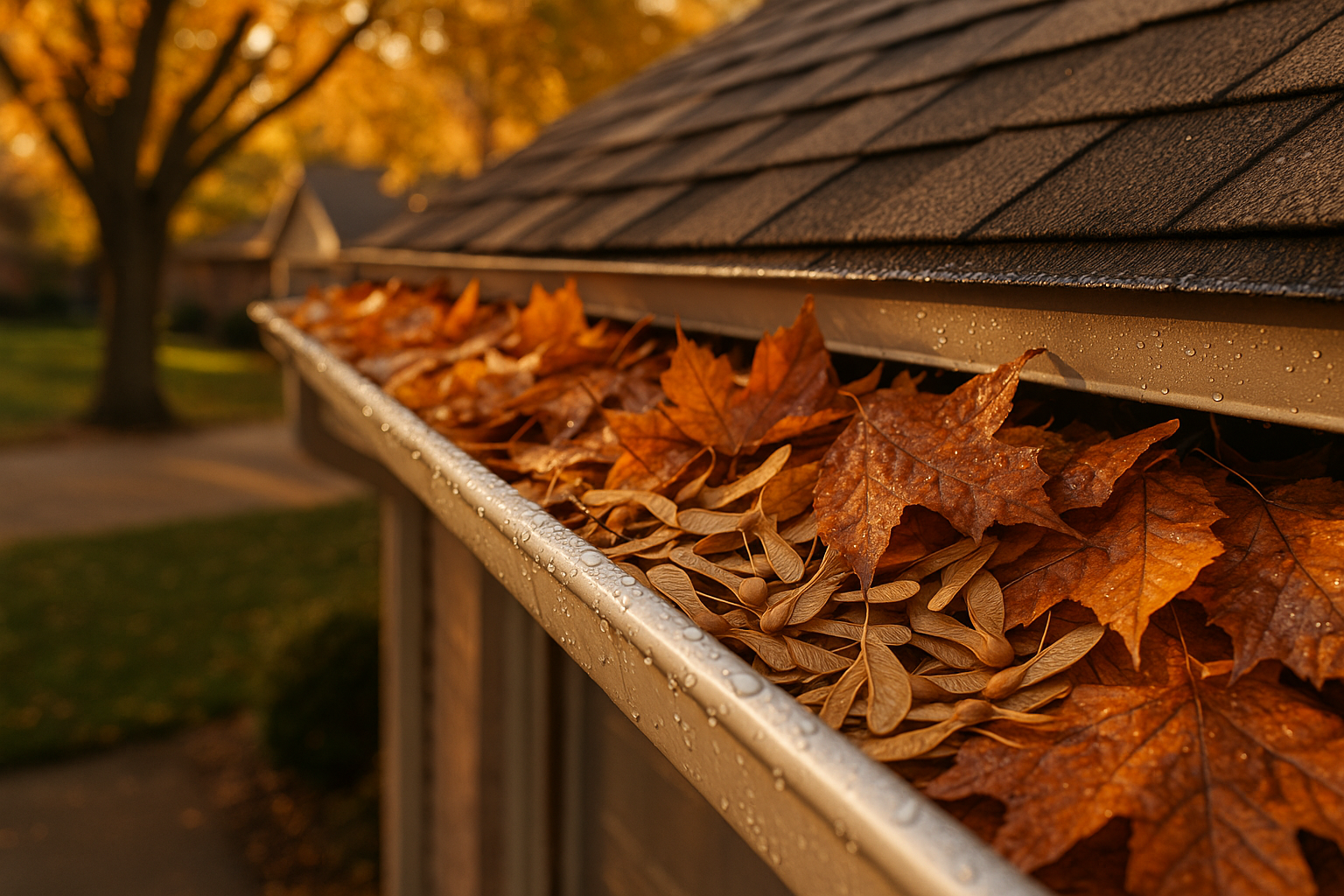
- Sagging gutters or debris: Mature trees are common around here, and that means valleys and gutter runs loaded with leaves, twigs, and seed pods. Clogged gutters back water up under the eaves.
North- and east-facing roof slopes often show dark algae streaks. That’s not just cosmetic—it can hide underlying shingle wear. And if you’re in a subdivision with a lot of tree cover, those sheltered sections hold moisture and debris longer, which means more organic growth and slower drying.
Clues from the Inside: Your Attic Tells Stories
If your home has an accessible attic, grab a flashlight and take a look. You’re hunting for:
- Water stains on the underside of the roof deck: They might be old, but if the stain looks fresh or feels damp, you’ve got an active leak.
- Damp or compressed insulation: This is a sign of condensation or a slow drip from above. In Indiana’s humid climate, poor attic ventilation makes this worse.
- Daylight peeking through: If you can see any sliver of light where the roof meets the wall or around pipes, that’s a hole water can use.
- Musty smell: That earthy odor often means mold or mildew, and it’s a red flag for long-term moisture problems.
Ventilation is a huge factor. An attic that doesn’t breathe properly traps heat and moisture, causing ice dams in winter and baking your shingles in summer. In central Indiana, balanced attic ventilation with soffit intakes and a clear ridge vent can really extend your roof’s life. A professional roof maintenance checklist for Indiana homeowners will often flag this first.
High-Risk Spots on Zionsville Homes
Every roof has its problem children, but here are the areas that need extra attention:
- Chimney flashing: The seam where brick meets shingles is a classic weak point. Counter-flashing that’s pulled away or missing sealant is common. If you’re seeing rust or gaps, it’s worth a closer look by someone who understands chimney flashing repair in Indianapolis and the surrounding towns.
- Skylight seals: The rubber gaskets dry out, crack, and then you’ve got a slow drip right into your living space.
- Roof-to-wall transitions: These are everywhere on homes with dormers or split levels. Step flashing can get bent or slide down over time, leaving an opening.
- Tree-sheltered valleys: Oak and maple trees drop leaves, helicopters, and gunk that pile up in valleys. That moisture stays trapped and can rot the underlayment.
In many Zionsville neighborhoods, HOAs require pre-approval for visible exterior changes. So if your inspection turns up a need for replacement, planning early lets you get everything approved without holding up the work. Know the timeline your HOA needs, and then work backwards from when you’d want shingles on the roof—ideally before the worst summer storms.
Repair or Replace? How to Tell the Difference
This is the question that keeps people up at night. Nobody wants to spend money replacing a roof that just needs a patch. But patching a roof that’s already near the end of its life is like putting a bandage on a tire that’s bald.
Here are signs it might be time to replace:
- Widespread wear: If a third or more of your shingles are losing granules, curling, or cracking, spot repairs won’t hold for long.
- Recurring leaks: Fixing the same spot multiple times is a clear signal the whole surface is shot.
- Soft decking: When you walk on the roof and it feels spongy, the plywood underneath is rotting. That’s a structural problem, not just a cosmetic one.
- Frequent storm-related patches: If you’ve claimed hail or wind damage more than twice in five years, insurance companies might start asking harder questions.
On the flip side, isolated damage to one slope or around a chimney often makes repair the smarter choice. A roof inspection what to expect includes a clear rundown of repair vs. replacement options, with photos and moisture readings so you can see for yourself.
What Happens When RoofPros Comes Out
A good spring roof inspection isn’t a sales pitch. It’s a conversation. Typically the process looks like this:
- You’ll set up a time (weekdays often work best because the light is consistent for photos).
- The inspector checks everything from the ground and then accesses the roof safely. Drones are common now—they get detailed images without foot traffic where it might not be needed.
- They’ll spend time in the attic, running a moisture meter over suspect areas and verifying ventilation paths.
- Gutters, downspouts, flashing, pipe boots, ridge vents—all get documented.
- You receive a report with clear photos and a list of findings, severity ratings, and a proposed scope of work if anything needs fixing.
Most inspections take about an hour, depending on the roof’s complexity and size. And you don’t have to be home, though it helps if you can point out anything that’s worried you.
Insurance and Spring Storms: Get Ahead of the Game
Indiana spring storms are notorious for hail and straight-line winds. If your roof has pre-existing issues like loose flashing or worn shingles, a storm can finish the job. And when you file a claim, the adjuster will look for evidence that the damage is new—not old. That’s where a documented spring inspection becomes gold.
Having a report from a professional that shows the roof was in good shape before the hail hits makes your claim much smoother. It also helps you avoid storm-chaser upsells, where out-of-town companies push full replacements when only a few shingles are damaged. Check out our take on storm chaser roofing scams in Indiana to protect yourself.
A Few Simple Steps to Prep
If you decide to schedule an inspection, a little prep helps:
- Trim back any low branches that block gutter line of sight. The less leaf buildup, the quicker the check.
- Note any interior spots—like a minor ceiling stain—that seem related. Even if you’re not sure, point them out.
- Clear a path to the attic access, and maybe move anything stored directly under it.
- If you have a lot of tall trees, consider that the inspector might need to access multiple slopes. Making sure the yard isn’t cluttered lets them move a ladder safely.
Ready for a No-Sweat Spring Roof Check?
I’ve seen too many folks down the street who put off a roof inspection until a leak ruined a ceiling or a storm ripped off enough shingles to cost double what a repair would have. The peace of mind is worth it. And honestly, once you’ve got the report, you’ll sleep better when those spring storms roll in.
If you’re in Zionsville or any of the surrounding towns—Indianapolis, Carmel, Fishers, Westfield, Noblesville, Greenwood, Brownsburg, Avon, Plainfield—hit us up for a roof inspection quote. No pushy pitch, just a thorough look and a straightforward plan. You can check availability right on the site, or give us a ring.
Ready for a free roof assessment?
We climb the roof, photograph the damage, and give you an honest read — no pressure, no upsell.