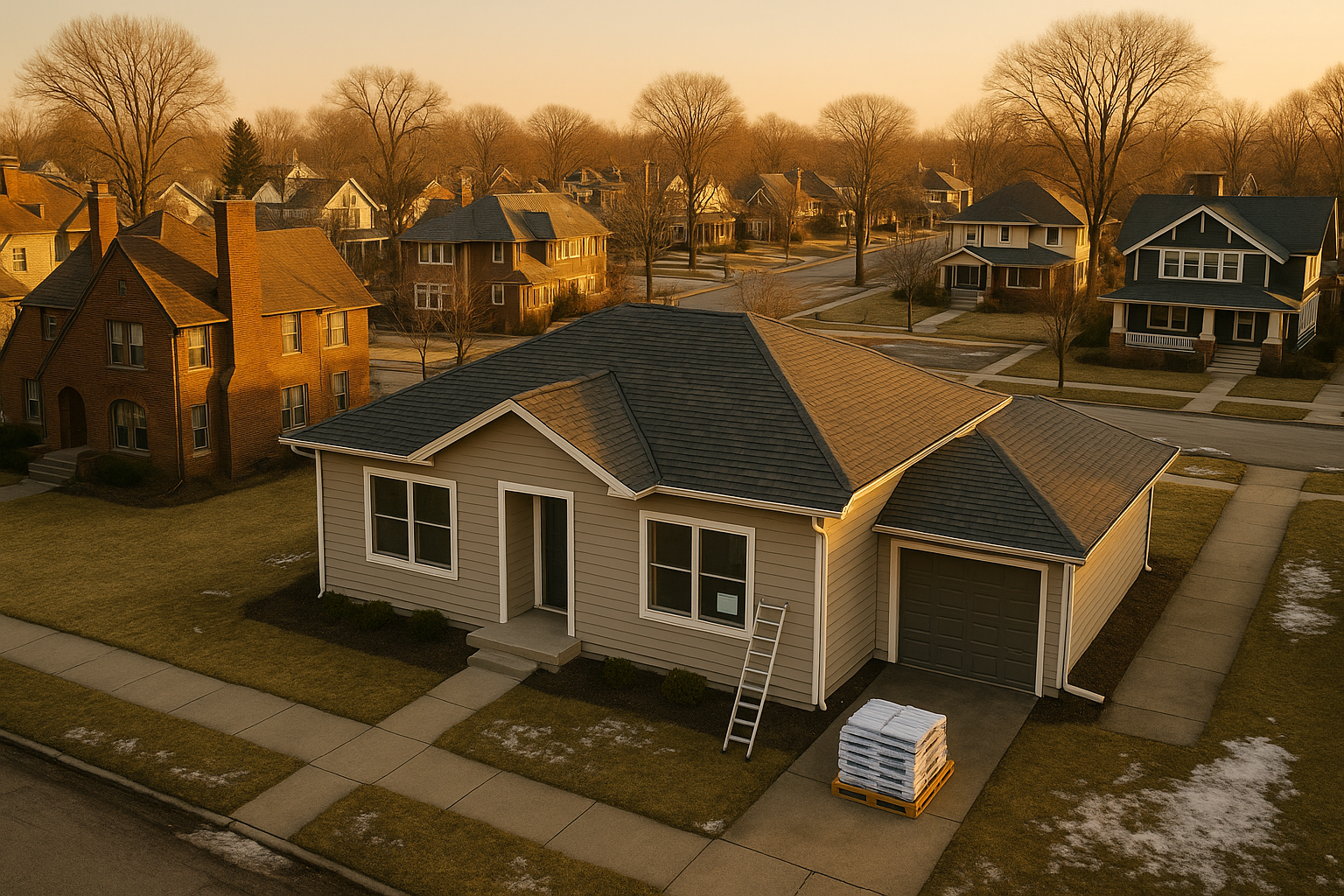
My neighbor Dave stood in his driveway staring up at a slate roof across the street for about twenty minutes last spring. He’s got a sharp eye for classic materials—his own house in Brownsburg is solid brick with a tired asphalt roof he’s been wanting to replace for years. But that slate got him excited. Until he called a couple contractors and heard two very different stories. One said his trusses would probably fold under the weight; another said “no problem.” Dave didn’t know who to trust, and honestly, that’s how a lot of folks around Indianapolis feel when they start looking at tile and slate.
That’s why I want to break down the real tile roofing pros and cons Indiana homeowners face—no sugarcoating, no scare tactics. Just the stuff that actually matters when you’re trying to decide if a premium roof is worth the investment, and whether your house can even handle it.
What Do We Mean by “Tile” and “Slate”?
When people say “tile roof” around Brownsburg, they might mean three different things: clay tile, concrete tile, or natural slate. They’re all high-end, heavy, and totally different from the asphalt shingles you see on most homes. Clay tiles—usually flat or barrel-shaped—have that Mediterranean or Spanish Revival look, while concrete tiles can mimic clay or even wood shake. Natural slate is its own thing: quarried stone split into thin, dense shingles. You’ll also hear about synthetic slate or composite alternatives that look like the real deal but weigh a lot less.
Each one has quirks, and picking the right material for central Indiana weather is half the battle. If you’re still figuring out which roofing material handles our climate best, our breakdown of the best roofing for Indiana weather might help you compare.
The Stuff You’ll Love (Pros)
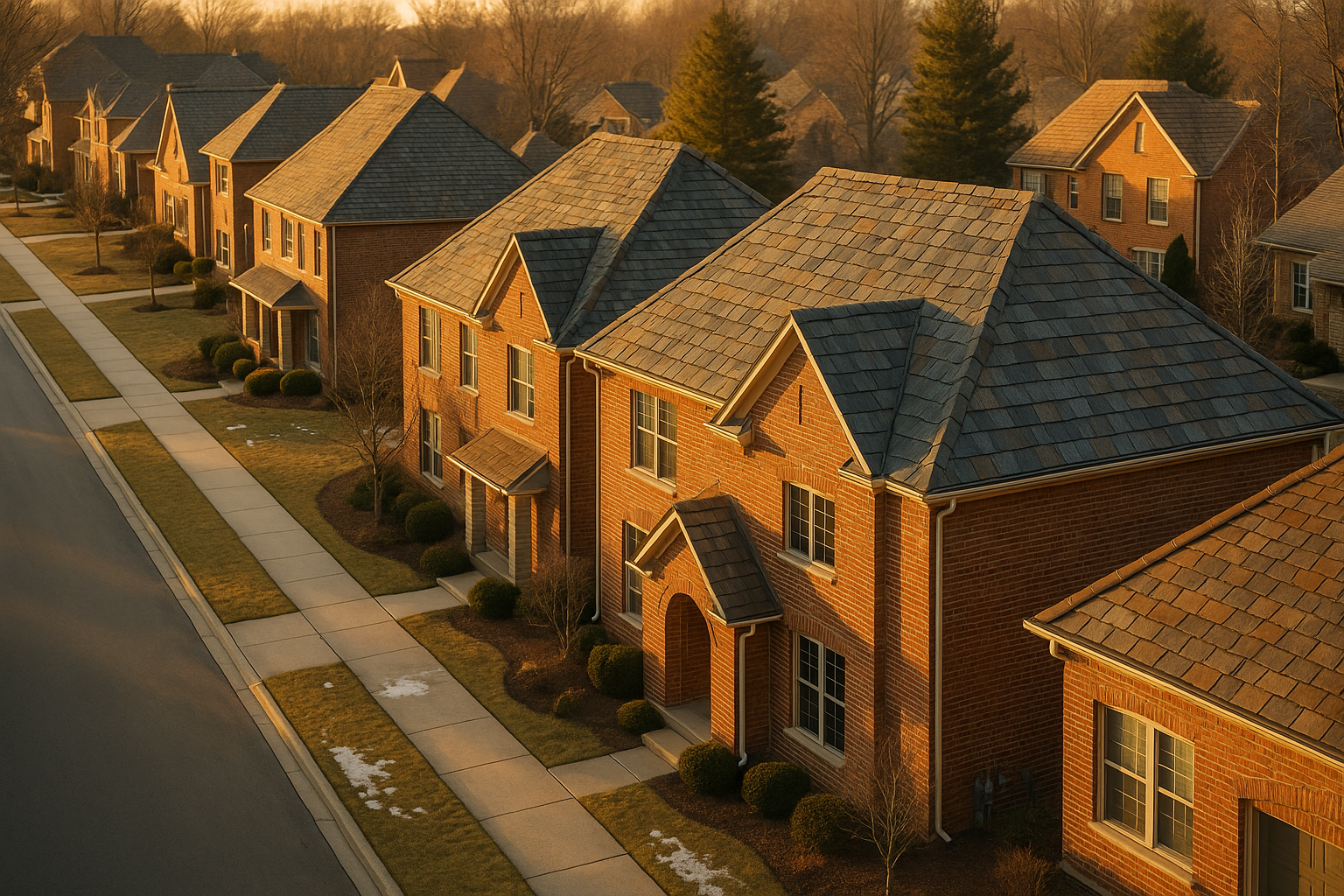
Let’s start with the obvious: curb appeal. A well-installed clay or slate roof turns heads. In neighborhoods like Stonegate or Wynbrooke, where brick and stone exteriors are common, a flat-profile tile or natural slate roof looks right at home—it’s the kind of upgrade that makes people slow down when they drive past. It’s not just about showing off, though. These roofs last. While asphalt shingles might need replacing every 15–20 years, a properly installed slate roof can go 75–100 years or more. Clay and concrete tiles usually hit 50-plus.
Fire resistance is another big plus. Tile and slate are non-combustible, which gives you peace of mind and might even nudge your insurance company toward a discount—worth checking with your agent. Repairs are also piece-by-piece. If a branch falls and cracks one slate during a winter storm, you don’t have to re-roof the whole section. A decent roofer can swap individual pieces fairly easily, assuming they know what they’re doing with the flashings.
The Hard Parts (Cons)
Weight is the first thing every Brownsburg homeowner asks about. These materials are heavy—clay tile runs around 600–1,500 lbs per square (100 sq. ft.), concrete tile can be 800–1,200 lbs, and natural slate pushes 800–1,500 lbs. Compare that to asphalt shingles at about 200–400 lbs per square. Most houses built in the last 30 years weren’t engineered with that kind of dead load in mind. So before you even think about picking a color, you need an engineer or a contractor like RoofPros to check your trusses and framing. Sometimes reinforcement is simple; other times it’s a dealbreaker.
Freeze–thaw cycles worry a lot of people around here—and they should. Indiana winters bounce above and below freezing constantly. Water gets into tiny pores or cracks in tile or slate, freezes, expands, and can cause spalling (flaking or splitting). The key is choosing materials rated for frost resistance. Not all clay tiles are created equal; you want ones that meet ASTM standards for freeze-thaw durability. Dense, high-quality slate from certain quarries also shrugs off moisture better. And underneath it all, you need a top-notch underlayment system—think ice-and-water shield along eaves and valleys, which is something we cover in our roof maintenance checklist.
Hail is another common objection. Some tile and slate products achieve Class 4 impact resistance—the highest rating—but many don’t. Large hail can still crack or puncture them. And here’s the thing: walking on a tile or slate roof for inspections or repairs takes skill; heavy-footed service techs can do more damage than the storm. That’s why you want someone who works on these systems regularly.
Then there’s cost. Premium roofs command premium prices. Material costs are higher, labor is specialized, and lead times can stretch weeks because suppliers around Indianapolis often special-order these products. If you’re on a tight schedule, that’s a headache.
Local Stuff That Trips People Up
Hopping over to your HOA rules before you commit is smart. A lot of Brownsburg subdivisions have design guidelines that dictate roofing materials, colors, and profiles. I’ve heard of homeowners who fell in love with a certain terracotta tile only to find out their HOA only approves slate gray or a specific shingle. Don’t skip this step—approval delays can tank your timeline.
Roof pitch is another sneaky requirement. Many tile systems need a minimum slope, often around 4:12 or steeper, to shed water properly. If your roof has low-slope sections—like over a porch or dormer—you might need a different material there or a specialized underlayment system.
And let’s talk snow. Smooth tile and slate can shed snow like an avalanche. Above your front entry or garage door, that’s a hazard. Snow guards are an easy fix—they break up the slide and keep the load from all coming down at once. It’s a small detail that makes a big difference when we get one of those wet, heavy February dumps.
Getting the Details Right
Flashing is where a lot of roofs fail, but with tile and slate, it’s even more critical. You can’t just slap some caulk around a chimney and call it good. Copper or heavy-gauge metal flashings at chimneys, valleys, and sidewalls last as long as the roof itself. A botched chimney flashing job means water gets in and quietly rots the sheathing for years before you notice. (We wrote more about that here: chimney flashing repair.)
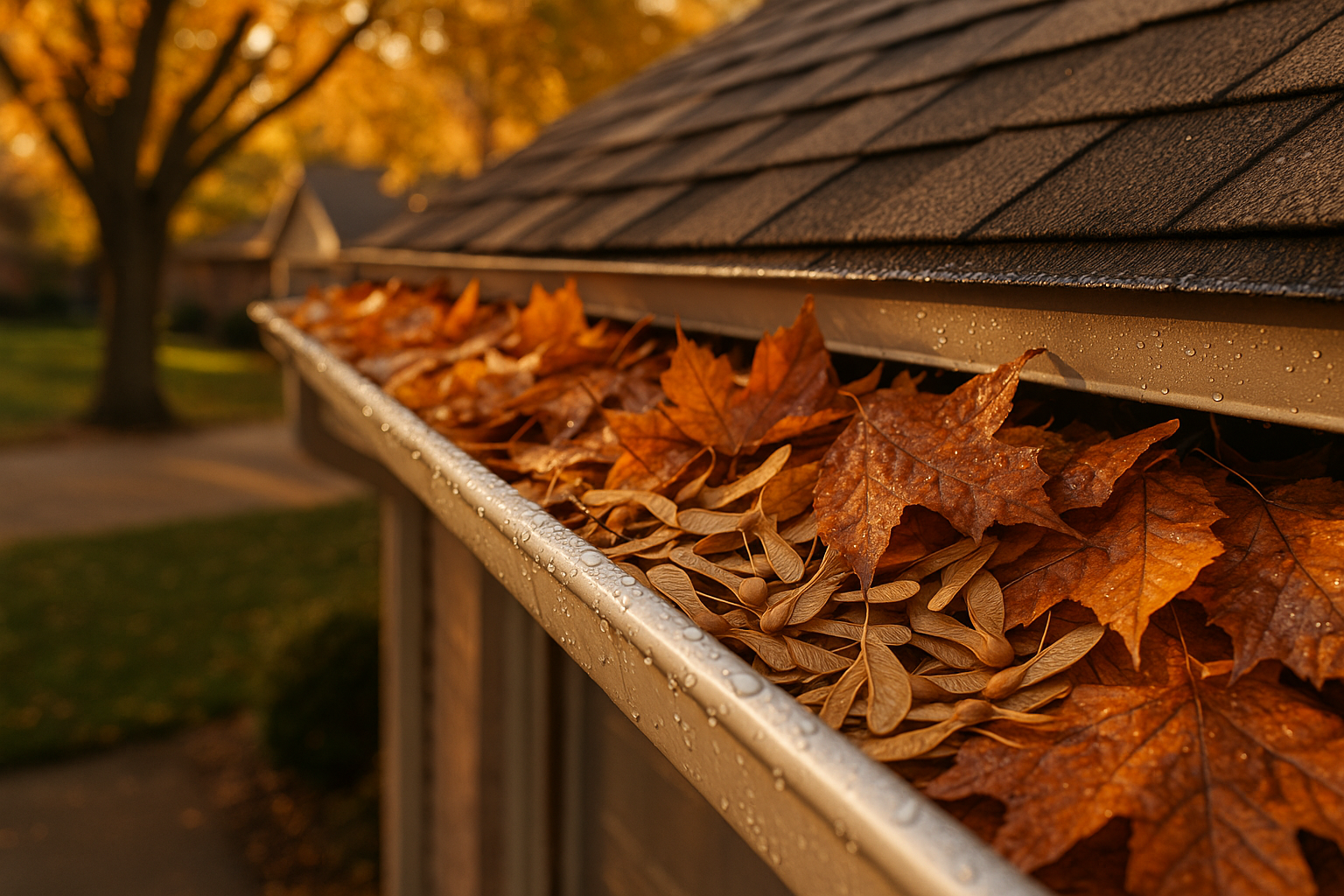
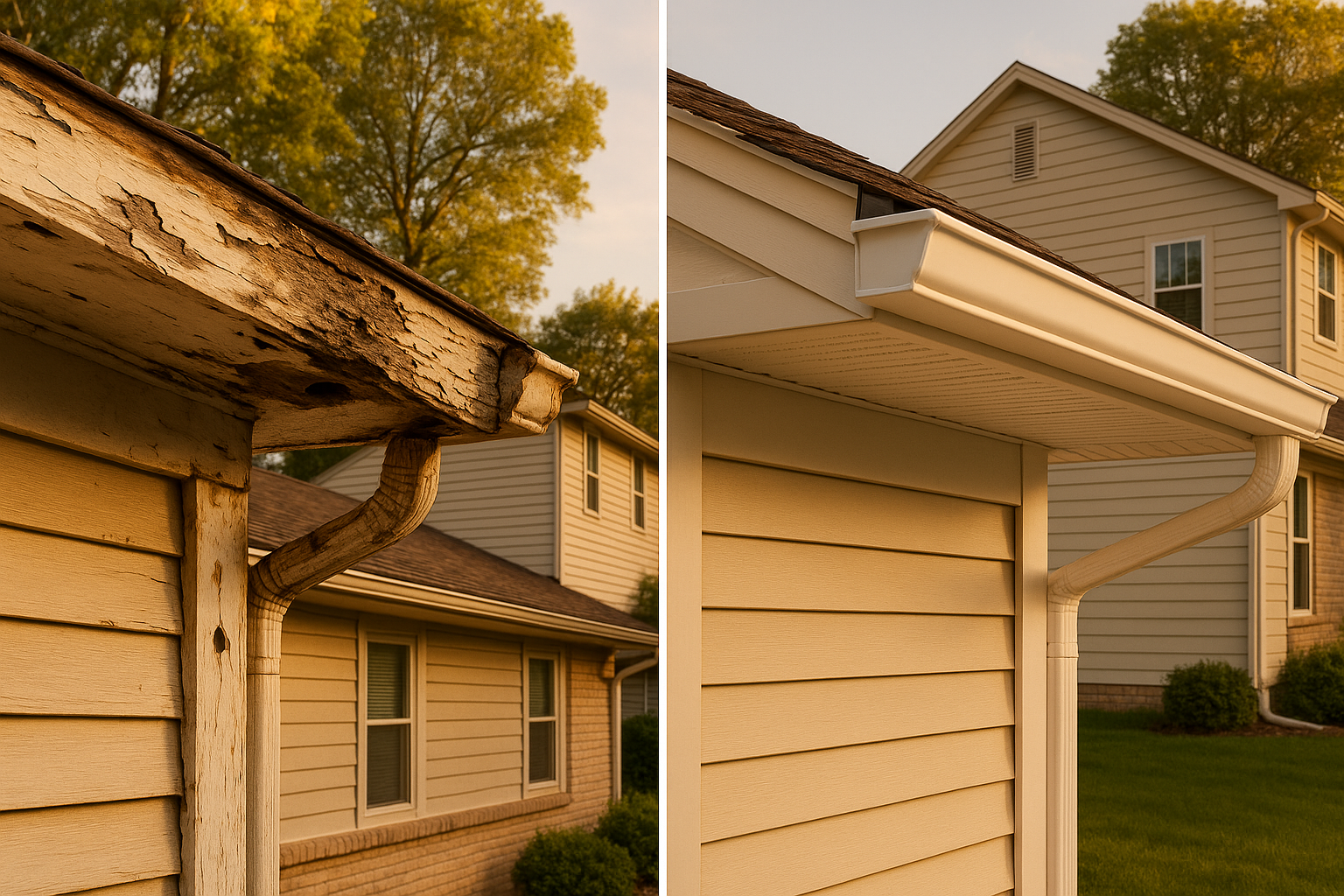
Gutters matter, too. With a smooth roof surface, runoff races off faster. A 5-inch gutter might not keep up during a downpour, so we often recommend 6-inch K-style gutters with proper eave detail. Leaf guards are a nice add-on, especially if you’ve got mature trees dropping stuff all season.
Maintenance Isn’t Zero, But It’s Manageable
One myth: tile and slate roofs are maintenance-free. They’re not. You should walk (carefully) or drone-inspect them once a year, ideally in spring after the thaw. Look for cracked, slipped, or missing pieces, and check the flashings and valleys. Clean out gutters and watch for moss on shaded north slopes—common in wooded Brownsburg neighborhoods. A gentle cleaning with a hose (no pressure washer!) usually handles it. If you’re proactive, minor fixes keep the big bills away. Our spring roof inspection guide walks through the checklist.
When Tile or Slate Just Won’t Work
Sometimes the numbers don’t add up—your trusses can’t take the weight, or the budget gets too fat. That’s okay. Composite slate and synthetic tile look incredibly convincing and weigh a fraction of the real thing. Standing seam metal is another premium option that handles snow and ice well without the heft. Even high-end designer asphalt shingles now mimic slate texture and come with strong warranties. None of these are “settling”—they’re smart solutions when the conditions aren’t right for the heavy hitters.
How RoofPros Handles the Evaluation
If you’re still curious, the next move isn’t a quote over the phone. It’s an onsite visit where we actually look at your roof structure, measure slopes, talk through HOA requirements, and pull permits if needed. We don’t rush this step because we’ve seen too many projects go sideways when someone skips the engineering review. Once we’ve crunched the numbers, we hand you a clear proposal that spells out materials, scope, warranty, lead times, and pricing—no surprise change orders.
Ready to cut through the confusion? Schedule a no-pressure evaluation at your Brownsburg home. We’ll tell you honestly if tile or slate is right for your house, and if it’s not, we’ll point you toward the next best thing. No salesman tricks, just the info you need to make a solid decision.
Ready for a free roof assessment?
We climb the roof, photograph the damage, and give you an honest read — no pressure, no upsell.